How Weather Impacts Your Roof and What You Can Do to Protect It
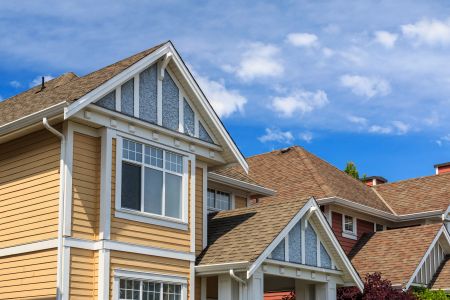
In Madisonville, LA, our Gulf Coast climate puts constant stress on every roof. From summer heat to tropical storms, small issues can grow fast. If you want dependable protection, partner with a local expert for roof repairs that keep your home safe and dry for the long haul.
At Blueprint Roofing and Construction, Inc., we service neighborhoods throughout St. Tammany Parish and the Northshore. Whether you live near the Tchefuncte River, along LA-22, or in a wooded subdivision off Brewster Road, weather is the one factor you can count on to challenge your roof. This guide explains how local conditions affect roofing, the early signs of trouble, and the smartest ways to safeguard your home without risking do-it-yourself mistakes.
Why Madisonville Weather Is Tough on Roofs
Madisonville sits close to Lake Pontchartrain and gets frequent rain, high humidity, and strong winds during storm season. That mix breaks down materials over time and exposes weak points around flashing, vents, and edges. Sudden downpours can exploit hairline gaps, and gusts can lift shingles that were already loosened by heat and UV.
- Heavy rain finds the smallest openings and drives water under shingles and flashing.
- High winds during tropical systems lift edges and can send debris onto the roof.
- Heat and UV make shingles brittle and speed up granule loss.
- Humidity encourages algae and moss that hold moisture against the surface.
Combine those stressors with mature trees, low slopes, or older roofing, and the odds of leaks go up. The result is not always obvious water dripping inside. Often, moisture hides in decking, insulation, or walls first.
How Heat, Sun, and Humidity Wear Down Shingles
Shingles and sealants expand and contract as temperatures swing, which can crack seal lines and loosen nails. UV exposure dries out the asphalt in shingles, causing curling, cupping, and bare spots where granules wash away. Humidity slows drying after rain so materials stay damp longer, and that trapped moisture is tough on both wood decking and fasteners.
Good attic ventilation and proper exhaust help control heat buildup. So does using algae-resistant shingles that better handle our wet season. If your roof is nearing the end of its service life, ask a pro to evaluate whether selective repairs or upgrades will extend performance safely.
Safety first: roofing systems can be slippery even when they look dry. Never climb onto a roof after a storm or when winds are high. A trained crew has the safety gear, spotting, and techniques to assess damage without risk.
Storm Season: Wind, Rain, and Flying Debris
Hurricane season runs through late fall, and the peak brings strong, sustained winds with sudden gusts. Those gusts attack edges, ridge caps, and any shingle that lost adhesion during hot spells. Wind-driven rain forces water sideways into places gravity would not normally allow, especially along valleys, chimneys, and wall transitions. Limbs and smaller branches become projectiles that can dent metal, crack shingles, and tear off gutters.
Not all damage is dramatic. A single missing shingle tab can allow repeated wetting of the same decking spot until it weakens. Water might then show up as a ceiling stain weeks later. A professional inspection identifies those subtle entries before they escalate.
The Role of Gutters and Flashing in Weather Defense
Roofs do not work alone. Flashing seals the joints where different surfaces meet, and gutters direct water away from edges and walls. When flashing pulls away or sealant fails, water sneaks behind siding and into the attic. When gutters clog or sag, water overflows and soaks fascia and rafter tails, which can spread leaks back under the shingles during heavy rain.
If you suspect problems, have a licensed roofing contractor evaluate the system end to end. They will check step flashing at walls, counterflashing at chimneys, pipe boots, valley metal, fasteners, and gutter discharge points. Addressing these details in a timely way keeps the entire building drier and protects paint, siding, and foundations as well.
Signs Weather Has Already Damaged Your Roof
Watch for indicators that moisture is getting where it should not. Some are visible from the ground. Others show up inside the home before an exterior problem is obvious.
- Dark spots or rings on ceilings or the top corners of walls
- Granules collecting at downspouts or on patios after storms
- Shingles that look curled, cracked, or lifted along the edges
- Rust or staining around vents and chimney flashing
- Musty odors in closets or the attic after rain
If you notice any of these, schedule a professional assessment. The sooner a pro locates the source, the more of the roof system can be preserved through targeted repairs.
How Roof Repairs Prevent Bigger Problems in Madisonville, LA
Timely repairs stop water from traveling into insulation, electrical chases, and wall cavities. That reduces the risk of mold, protects structural lumber, and keeps indoor air healthier. It also preserves warranty coverage on roofing materials that require prompt maintenance. When repairs are delayed, water damage spreads and related finishes like drywall and flooring can be affected.
Working with Blueprint Roofing and Construction, Inc. means your home benefits from detail-oriented diagnostics and fixes that are built to last. From resealing penetrations to replacing damaged shingles and correcting ventilation issues, a focused plan of action restores performance now and helps your roof stand up to the next round of bad weather.
What You Can Do to Protect Your Roof in Madisonville
Protection starts with planning and professional maintenance. Rather than tackling risky tasks yourself, schedule service with a licensed team that understands our local microclimates. They know how nearby waterways, tree cover, and shade patterns affect wear on different roof sections.
Schedule a professional roof inspection before peak storm season each year. Ask your contractor to review the roof surface, flashing, skylights, ridge caps, attic ventilation, and gutter performance. In many cases, small tune-ups like resealing flashings or replacing a few sun-baked shingles prevent future leaks when the weather turns rough.
If you own a historic home or have unique roof details, request materials that match the architecture while improving durability. Algae-resistant shingles and upgraded underlayments perform well in our humid, high-rainfall climate. For homes shaded by oaks or pines, pros can recommend strategies to reduce debris buildup and keep water moving off the roof quickly.
Post-Storm Steps That Keep You Protected
After a strong storm, it is natural to worry. Focus on safety first and avoid climbing ladders or walking on surfaces that could be slick or unstable. From the ground, note any obvious issues you can see without risk and contact a trusted roofing contractor to perform a complete evaluation.
Documenting conditions and starting professional repairs quickly helps maintain warranty protections and supports the claims process when applicable. Contractors who work in our area understand typical wind patterns, where water tends to intrude, and how to prioritize repairs so the home is secured fast.
Materials and Upgrades Built for Our Climate
Not all roofing materials perform the same in a coastal, humid environment. During a professional consultation, ask about options designed for wind resistance, moisture control, and algae protection. Features like enhanced starter strips, storm-rated ridge caps, and high-performance underlayments make a real difference during heavy weather.
If your roof has recurring leak points, your contractor may recommend targeted improvements that go beyond a simple patch. That can include adjusted flashing details at walls, sturdier fasteners at edges, or a more robust ventilation plan. The goal is to match solutions to the exact causes created by Madisonville’s weather, not just mask the symptoms.
How Often Should You Schedule Professional Roof Care?
In a climate like ours, a twice-yearly professional checkup is a smart baseline, with an extra visit after any major storm that hits your neighborhood. Routine attention confirms that sealants are sound, flashing is tight, and shingles remain well-adhered. It also gives you a documented maintenance record, which is helpful for warranty support and future real estate transactions.
Homeowners who travel often or manage multiple properties can set a recurring maintenance plan. That way, a trusted pro monitors seasonal wear, removes minor risks before they escalate, and keeps you informed with photos and notes. Consistent care is the simplest way to extend the service life of your roof.
Local Service You Can Trust
Blueprint Roofing and Construction, Inc. is a local roofing contractor serving the Northshore and the Greater New Orleans area, including Madisonville, LA. Our work is backed by a 5-year labor warranty and performed by trained crews who know how local weather affects homes from the riverfront to the lakeside. When repairs are needed, we explain the cause, the fix, and how to reduce future risk so you can make confident decisions.
If you want to explore the specific services that protect your home from leaks and storm wear, take a look at our approach to roof repairs. For a quick overview of who we are, you can always start at our home page and get to know the team and service options available.
Ready To Protect Your Roof Before the Next Storm?
Protect your home with expert roof repairs in Madisonville, LA from Blueprint Roofing and Construction, Inc.. To speak with a friendly local pro, call 985-250-9240 and schedule a convenient appointment that fits your day.
When severe weather is in the forecast, a fast response matters. Our crews arrive prepared to assess the entire roof system, explain priorities, and complete the work with care. With clear communication and craftsmanship you can trust, your home will be ready for the next round of Gulf Coast weather.
Trust the Experts for All Your Roofing Needs in New Orleans
Request Your Free Quote!